Test, One-Day or T20: Choosing a Match to Follow
Choose a Test, one-day or T20 cricket match by matching its time commitment and changing pressure to the occasion, your attention and viewing plans.

The most common mistake when choosing a cricket format is assuming the shortest match is automatically the easiest to follow. That can cost you the kind of viewing experience you wanted: T20 packs rapid changes into a compact window, while a Test match gives those changes room to unfold over several days. A one-day international, or ODI, sits between them in both duration and rhythm.
How much time does each format ask for?
A T20 match is designed to fit into a single evening or afternoon. Each team bats for up to 20 overs, so the main contest usually runs for a few hours, with breaks and delays affecting the schedule. It suits a planned viewing slot, such as watching after work or joining friends for a match.
An ODI gives each side up to 50 overs. It is a longer single-day occasion, often with a substantial interval between innings. That makes it a better fit when you can set aside much of the day, or when you want to watch in stretches rather than stay present for every over.
A Test is played over as many as five days, with two innings per team available. A match can finish sooner, and a draw is possible if time runs out before a result. You do not need to watch all day: a session, a lunch-to-tea stretch, or a brief check-in can still make sense of how the contest is changing.
Check the broadcaster’s schedule for the local start time and expected breaks. The format gives you a useful estimate, not a precise finish time.
Which format changes pressure fastest?
T20 makes each short passage feel consequential. With fewer overs available, a quiet stretch can leave a batting side needing to take more risks later. Batters may attack early, bowlers may vary pace or line to disrupt timing, and a single over can shift the mood of the chase.
In an ODI, pressure has more room to build. A team can begin cautiously, then increase its scoring rate as the innings progresses; the bowling side can plan for those phases and adjust its attack. A chase may look comfortable before a cluster of wickets changes the calculation, or a steady partnership may bring a difficult target back within reach.
Test pressure is less tied to a fixed number of overs. A batter may value time at the crease, while a bowling side tries to create chances without letting the innings drift. The match’s state matters: a team protecting a lead, seeking a result, or batting to save the game faces different incentives. The same cautious spell can be sensible in one situation and costly in another.
Choose T20 for sharp swings, an ODI for a developing contest, and Test cricket for pressure that gathers through changing match situations.
What does watching each format feel like?
T20 often feels like a sequence of compact decisions. You can follow the score, the target, and whether the batting side is keeping pace with what the chase requires. A wicket or a boundary changes the immediate outlook, so it is easy to rejoin after stepping away for a moment.
An ODI offers a more varied viewing rhythm. The innings has time for careful batting as well as acceleration, and the interval creates a natural pause to consider what the other team must do. If you watch only part of the match, the middle overs can show how a side is shaping its position before the late push.
A Test asks for a different kind of attention. The value of a passage may become clearer only after a later session: a batter who blocks out a difficult spell may have protected the innings, while a bowler who keeps asking questions may create a chance later. Following the broad match situation is more useful than expecting every stretch to deliver an obvious turning point.
Which format fits the occasion?
Choose based on what you want the match to do for the day, not on a ranking of formats.
- For a defined evening plan: Try T20 when you want a compact contest with frequent changes in the immediate score.
- For a shared day out: An ODI can suit a group that wants a longer event with time for conversation during quieter passages.
- For flexible viewing: A Test can work if you prefer to dip in and out and are comfortable with the result remaining unsettled for a while.
- For a first live match: Consider the venue’s start time, weather, transport, and how long your group wants to stay, as well as the format.
- For a close finish: Any format can provide tension, but the route differs: T20 compresses it, an ODI lets it accumulate, and a Test can carry it across sessions or days.
Say you have a free evening and want to watch with a friend who is new to cricket. A T20 may be a comfortable choice: you can keep an eye on the target and ask questions as the score changes, without committing to a full day. If you instead have an open weekend and enjoy seeing a contest evolve, a Test may suit you better.
Can you enjoy a match without watching every ball?
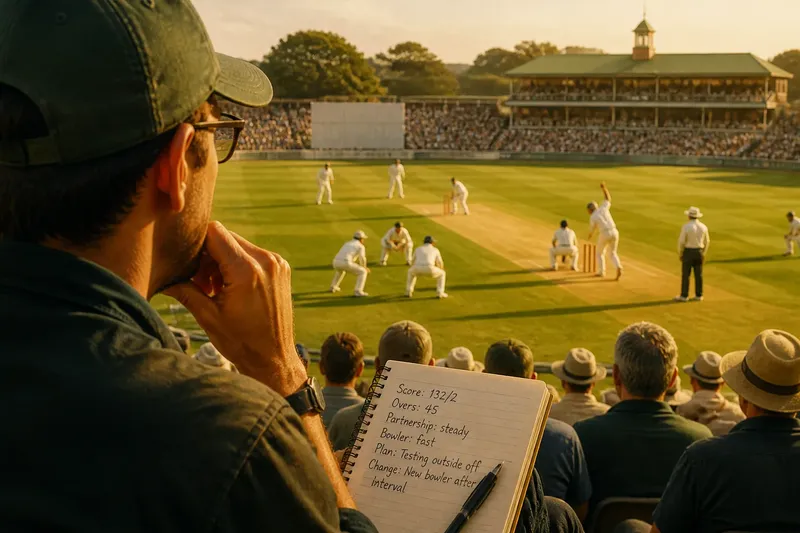
Yes. The formats differ in how much context you may want before returning, but none requires uninterrupted attention to be enjoyable. Before taking a break, note which side is batting, the score, the overs or innings situation, and what the batting side appears to be trying to achieve.
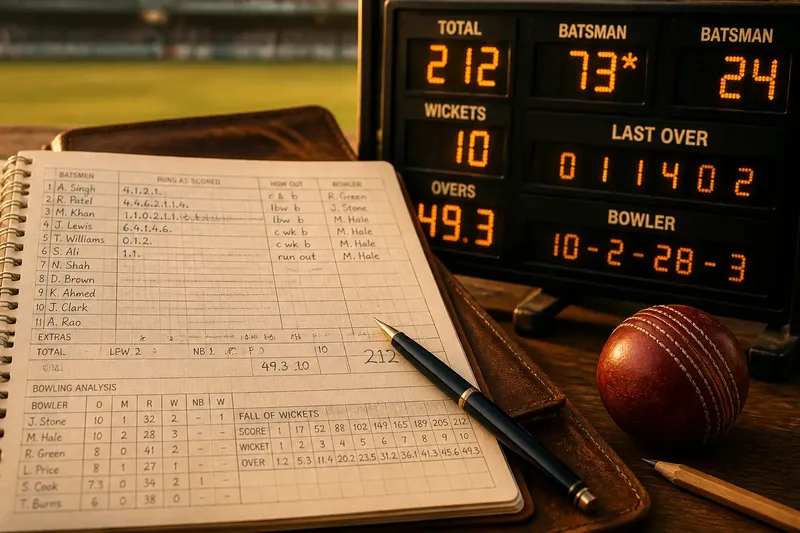
For T20, the target and required pace of scoring can quickly explain the chase. In an ODI, also notice how many wickets remain and whether the innings is building toward a faster finish. In a Test, check which innings it is and whether the batting side is trying to set a target, extend a lead, or avoid defeat. These cues help you reconnect without tracking every delivery.
If you are watching with others, agree on a natural stopping point before the match begins. An innings break or the end of a session is easier to plan around than an uncertain finish, especially for a Test.
What should a new viewer choose first?
Pick the format that matches your available attention and the kind of suspense you enjoy. If you want a single sitting and quick shifts, start with T20. If you want a fuller arc within one day, choose an ODI. If you enjoy gradual changes and do not mind an unresolved match, try a Test.
You can also treat the first choice as a way to learn your own preferences. Notice whether you enjoy the chase, the tactical adjustments, or the slower contest over time; that response can guide your next match. The best format to follow is the one whose pace leaves you curious enough to stay with it.
Before choosing a cricket format, check the fixture’s start time and whether you can watch live or catch highlights later. That small choice can turn a match into an easy part of your day rather than a commitment you did not mean to make.